
Joining a New Sports Club
A Day in the Life of Maya
About this post
As part of the Blueprint to Neuroinclusion in Community Sport course, the following case study brings together many of the concepts explored throughout the programme. It offers a practical example of what a neuroinclusive journey into community sport can look like and is intended for coaches, volunteers, parents, and anyone committed to creating more inclusive clubs and organisations.
Topics covered:
Seeking Information
Signed Up
The First Session
After the Session
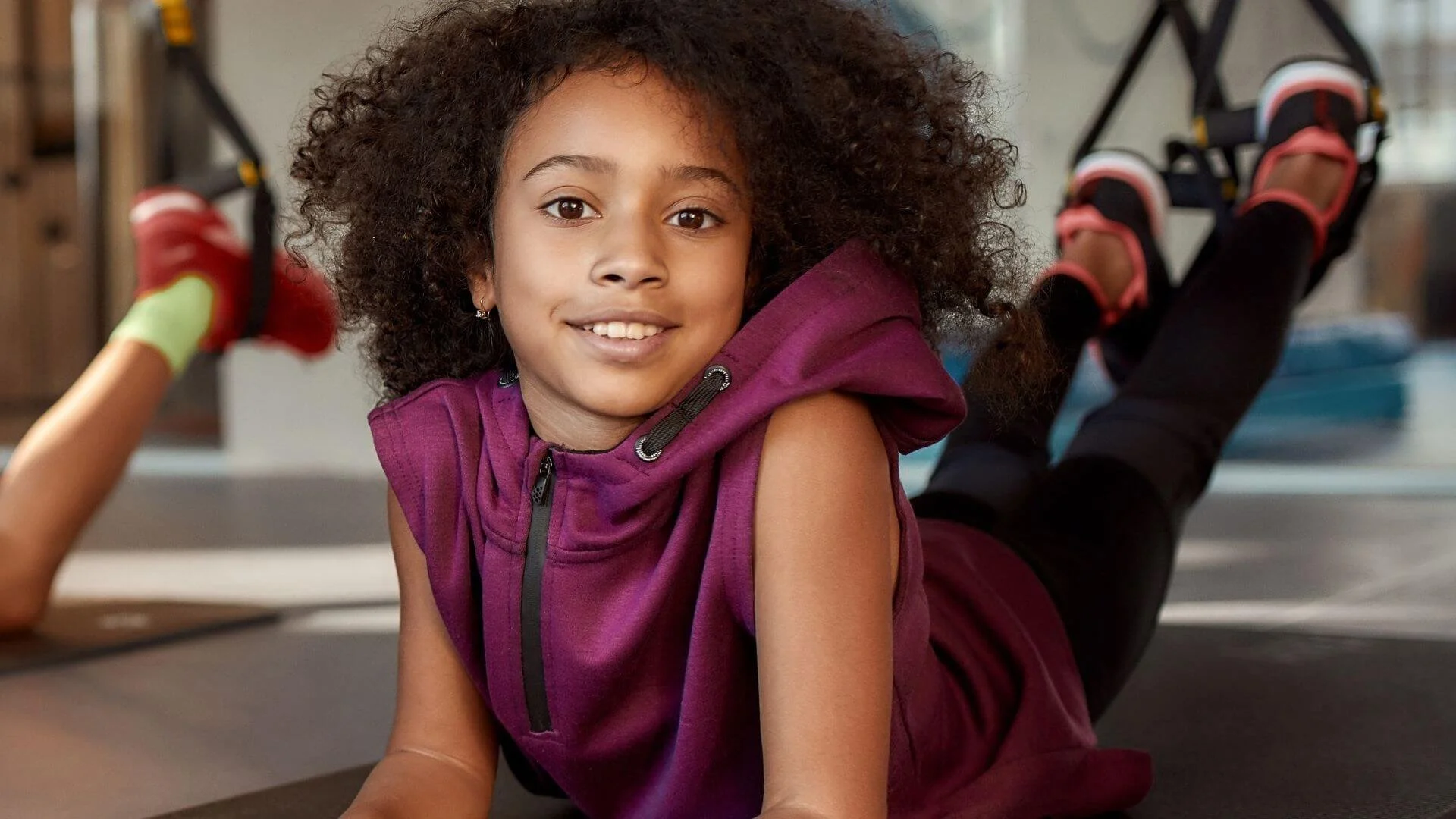
This is Maya.
She’s 13, loves being active, but feels anxious about trying new things – especially when she doesn’t know anyone at the organisation. She is autistic and sometimes finds noise, bright lights, and new social situations overwhelming.

1. Seeking Information

Neuroinclusive statement
One evening, Maya’s mum shows her a local sports club website...
The first thing Maya sees on the homepage is a short statement:
“Everyone belongs here. We believe that everyone deserves to feel welcome, supported, and celebrated – just as they are.”
The language is clear and direct. The text is easy to read, with calm colours and simple headings.
Bank of further information
There’s a section called “What to expect at your first session”, with:
Pictures of the venue entrance, reception, changing area, and sports hall
A short video of the coach introducing themselves and saying: “You can join in at your own pace. If you need a break at any point, that’s ok.”
A simple visual schedule of the session structure: Arrive → Welcome & warm-up → Games → Cool-down → Goodbye
Effective sign up process
There’s also a sign-up form with a question that catches Mum’s eye:
“Do you have any access, support, or communication needs? These needs could relate to physical disabilities, neurodivergence, or mental health. Sharing this information will help us to accommodate you.”
Mum ticks “yes” and writes:
“Maya is autistic. She can get overwhelmed by noise and sudden changes.”
“She finds it easier when instructions are clear and broken into steps.”
“She may use headphones or ask for a short break if things feel too much.”
The form also links to a Communication Card, so Maya can choose:
“I like you to show me, not just tell me.”
“Please give me time to think before answering.”
“If I look stressed, it helps if you talk calmly and offer a quiet space.”
They email the completed card to the club.
Inclusivity woven in
Maya’s mum feels reassured that this organisation has considered neurodiversity and inclusivity.
2. Signed Up
Social stories
A couple of days later, the lead coach, Sam, sends an email:
Thanking Maya for signing up
Sharing a social story PDF, including:
“I am going to a new sports club. It’s called [Club Name]. I might feel excited, nervous, or unsure. That’s okay.”
Photos of the entrance, where to wait, where the toilets are, and where the quiet space is
Pictures of Sam and the other coaches
A brief outline of the warm-up, games, and cool-down
What to do if she needs support: “Talk to Coach Sam,” “Use the 5-minute break signal,” or “Sit in the quiet area for a bit.”
Maya and Mum read the social story together. It makes things feel more predictable. She can picture where she’ll go and what will happen.
Opportunities to observe
The email also offers:
An optional visit before the first session. Mum takes Maya one afternoon after school.
They meet Sam in a quiet moment, walk around the hall, see where the quiet corner is, and where the sensory toolkit lives (a small box by the bench).
Sam explains the “5-minute break” signal: “If it feels too loud or you need a moment, you can hold up five fingers. I’ll nod, and you can go to the quiet area for a few minutes – no questions asked.”
Buddy schemes
Before they leave, Sam also mentions a buddy scheme and asks if Maya would like someone her age to say hello when she arrives. Maya nods. Sam pairs her with Ava, a friendly player who’s been at the club for a year.
Maya leaves feeling nervous, but now she has a mental map: where to stand, who to look for, how to ask for a break if she needs one.

3. The First Session

Utilise the support network
On the day of the first session, Maya’s “bucket” is already quite full: a noisy school day, a busy bus ride. But when she arrives:
The entrance is clearly signposted.
A poster on the door says: “Welcome – it’s okay to go at your own pace today.”
Equipped with the onboarding information shared by Maya’s mum, Sam greets Maya by name:
“Hi Maya, it’s really good to see you. This is Ava – she’s your buddy today. You can hang out together, and you can follow her if you’re not sure what’s next, okay?”
Ava smiles and says, “Do you want to come put our bottles down together?” A small, simple starting point.
Inclusive session design
The hall is:
Uncluttered: equipment set up in zones rather than a big pile in the middle
Visually clear: different coloured cones marking each activity
Less intense: no loud music, lights not too bright
In one corner there’s a quiet space with cones marking the boundary, a couple of mats, and the sensory toolkit box. Maya notices ear defenders, a soft ball, and a fidget toy inside.
Warm-Up: First Contact With Coaching Style
Sam starts with an anchor activity – a simple, low-pressure movement game they always use at the start:
“We’re going to play Mirror Moves – just follow your partner’s movements. Do it your way, no right or wrong.”
Instructions are:
Short and clear
Demonstrated by two players (peer learning)
Not barked over a loud whistle
Maya watches first, then joins in slowly, copying Ava’s movements. No one rushes her.
Positive Relationships
During a drink break, Sam checks in:
“Hey Maya, how’s it feeling so far – a bit okay, a bit too much, or somewhere in between?”
Maya shrugs, then says quietly, “It’s okay.” Sam doesn’t push. They ask a simple connection question instead:
“Do you have a favourite team or player?”
Maya lights up: “I like England Lionesses… and Lucy Bronze.”
Sam responds: “Nice choice. She talks a lot about how her brain works in football too.”
Maya feels seen as a person, not just a “new participant”.
Main Activity: Games and Choice
The main part of the session uses small-sided, game-like activities instead of long lines of drills:
3v3 games in small pitches, with a choice of tasks:
Option A: Try to keep the ball for 5 passes
Option B: Try to dribble over a line
Participants can choose which challenge they want to focus on.
Sam uses constraints instead of constant instructions:
On one pitch, space is narrowed to encourage quick combinations.
On another, space is widened to encourage scanning for options.
When Maya hesitates, Sam doesn’t shout “Move faster!” Instead, they ask:
“What did you notice when you had a bit more space on that side?”
It invites thinking, not copying.
Using the Sensory Toolkit & 5-Minute Break
Halfway through, the hall gets busier as another group arrives in the next space. The noise rises; Maya’s shoulders tense, her breathing speeds up. She starts covering her ears on and off.
Sam, using the Zones of Regulation as a lens, silently thinks: “She might be heading into Yellow Zone – heightened alertness.”
Sam walks over calmly and says:
“It’s getting a bit louder in here. Would you like to use the ear defenders, or take a quick 5-minute break, or keep going?”
Maya holds up five fingers.
Sam nods: “Great choice. Quiet corner is there – you can take your time. I’ll check in when you’re ready.”
Maya:
Walks to the quiet area
Puts on ear defenders from the sensory toolkit
Squeezes the soft ball and sits for a few minutes
No one comments. No one stares. The session continues; the option is normalised.
After a few minutes, Sam walks over:
“How are you feeling now – okay to come back, or do you need a bit longer?”
Maya nods and stands up. She rejoins at her own pace, no penalty, no fuss.
Download our Sensory Toolkit Quick Checklist
Cool-Down and Reflection
At the end, Sam gathers everyone for a short cool-down and simple debrief:
“Think of one thing that worked well for you today, and one thing we could change next time to help you.”
Ava says, “I liked the mirror game.” Another player says, “It helped when you showed us instead of just saying.” Maya quietly says to Sam, “The ear defenders helped when it got loud.”
Sam replies, “Thank you – that’s really useful for me to know.”
4. After the Session
Seek feedback
On the way home, Maya tells her mum:
“It was loud at one point, but they had a quiet place and the ear things. And I didn’t have to do everything perfectly. I think… I want to go back.”
Maya’s mum will share this with Sam before her next session.
Reflect and record
Later that evening, Sam makes a few notes:
“Maya used the 5-minute break once – it worked well.”
“She responded better when I showed the activity rather than just explaining.”
“Next time: pair her with Ava again at the start; keep noise levels low during warm-up.”
The environment, communication, session design, and support tools have all worked together to:
Reduce anxiety
Respect her neurodivergent needs
Build trust from the very first experience
Maya hasn’t just “survived” her first session – she’s had a genuinely positive first step into a new sports community.
We hope this case study has helped bring neuroinclusion to life and inspired you to consider how small changes can make a big difference in your own sporting environment.
To continue your learning, become a member and access A Blueprint to Neuroinclusion in Community Sport.
